
When most people hear the word Montessori, they think of education – bright, engaging classrooms where children learn through hands-on exploration and discovery. What many don’t realize is these same principles, first developed over a century ago by Dr. Maria Montessori, are now transforming dementia care for older adults. The Montessori-Based Approach is a person-centered model that focuses on dignity, independence, and purpose, empowering individuals living with dementia to reconnect with meaning in their daily lives.
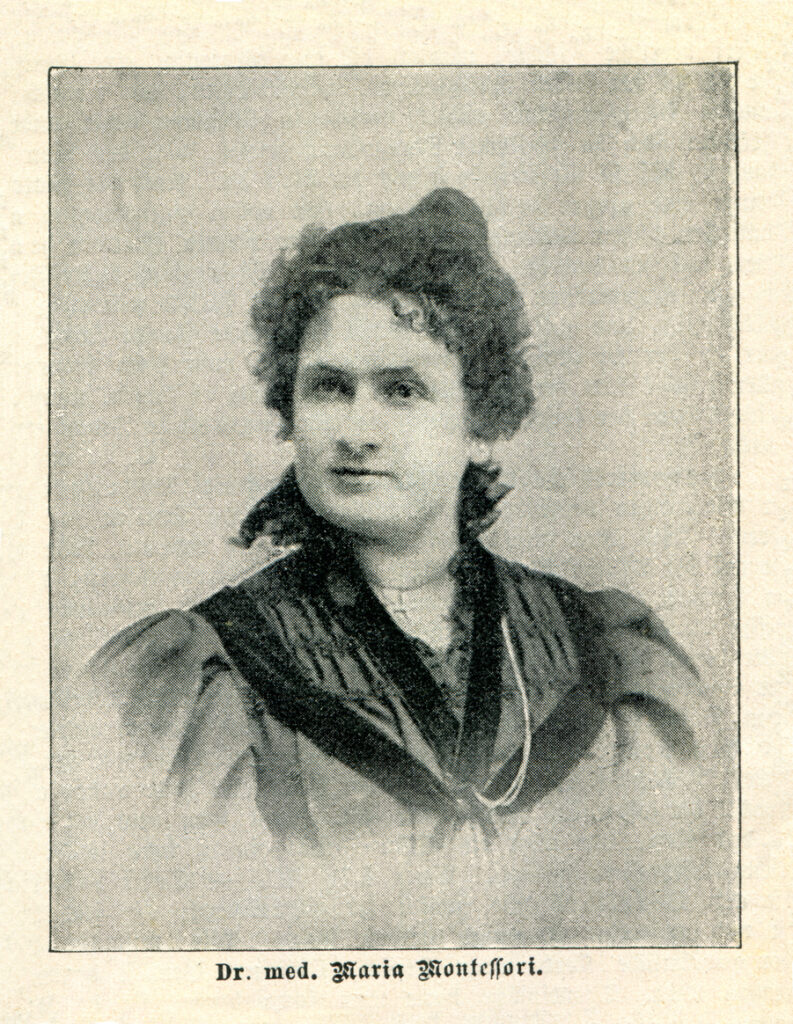
Dr. Maria Montessori (1870–1952), an Italian physician and educator, believed that all people thrive when their environment encourages curiosity, independence, and self-direction. Her method was rooted in respect – providing tools and structure that allow individuals to succeed at their own pace, with guidance rather than control.
When applied to dementia care, the Montessori philosophy recognizes that, although cognitive abilities change, a person’s desire for connection, purpose, and contribution remains strong. The approach is not about teaching new skills but about rekindling familiar ones and enabling individuals to participate fully in life, regardless of their diagnosis.
Montessori-based dementia care builds on several essential principles:

In practice, Montessori-based dementia care involves creating opportunities for individuals living with dementia to participate in everyday activities that provide purpose and familiarity. This could mean setting the dining table, folding towels, watering plants, or assisting with meal preparation. These tasks are not assigned as chores but as opportunities for contribution and engagement; activities that restore a sense of belonging.
Staff members serve as gentle guides, offering cues and encouragement rather than doing tasks for residents. Visual prompts, color-coded materials, and repetition support memory and build confidence. The result is a more empowering environment where individuals feel capable, connected, and valued.
For families caring for loved ones at home, Montessori principles can also be adapted. Simple adjustments, such as labeling drawers, simplifying routines, or encouraging involvement in meaningful household tasks, can significantly reduce stress and enhance well-being for both the caregiver and the person with dementia.
At its heart, Montessori-based dementia care is about seeing the person beyond the diagnosis. It’s about honoring individuality, fostering joy in daily moments, and helping each person live with dignity and purpose. Whether in a memory care community or at home, this compassionate approach reminds us that, with the right environment and understanding, individuals with dementia are able to contribute, connect, and thrive.

To learn more on this topic: The Dimensions of Wellness
