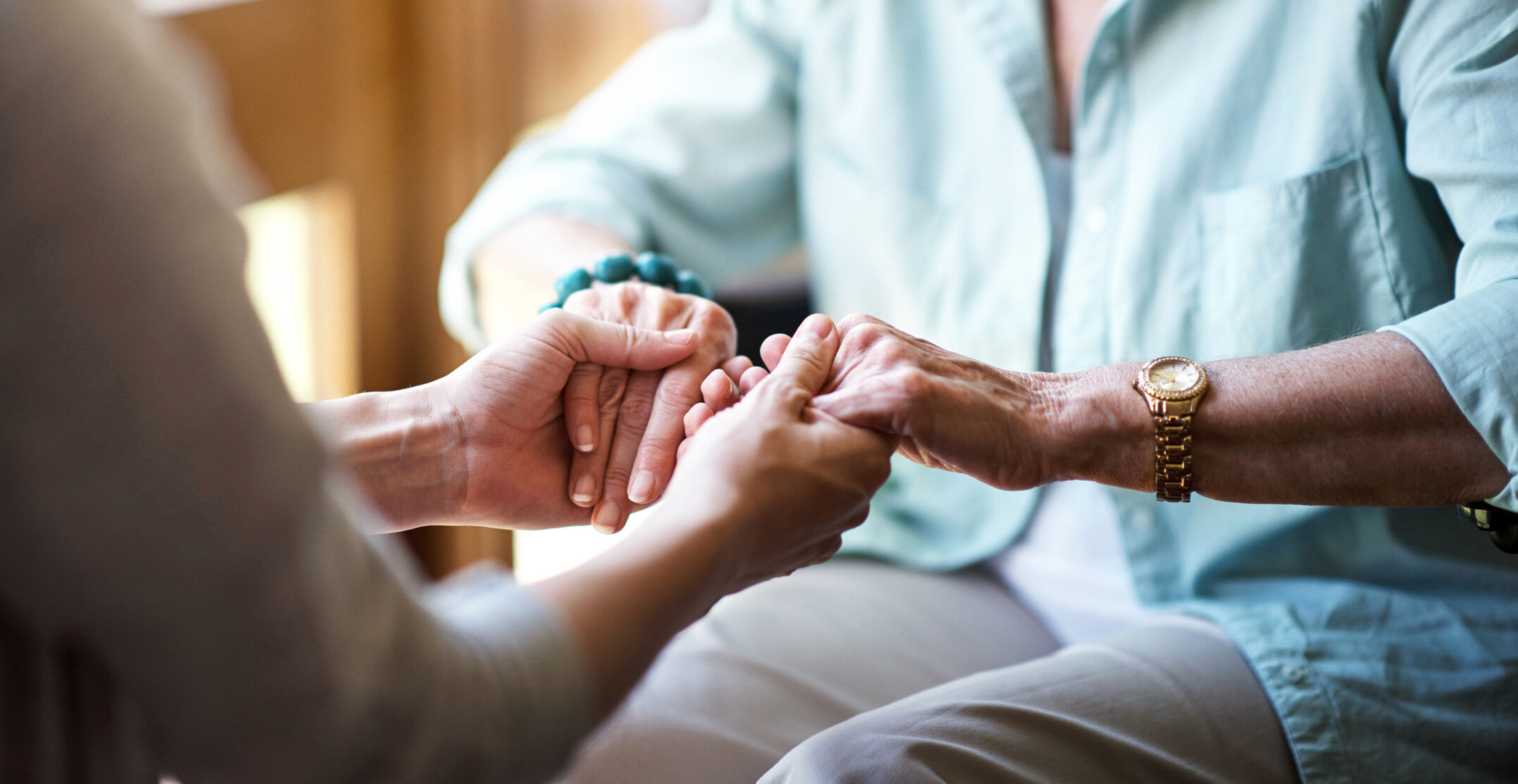
Caring for someone living with dementia requires compassion, patience, education, and support. During a recent podcast interview, Elizabeth Thompson discussed one of the most difficult but critically important topics in senior living and caregiving: abuse and neglect in dementia care. “This is a tough conversation,” Elizabeth shared, “but it’s one we absolutely need to have.”
What Is Abuse and Neglect in Dementia Care?
Abuse can take many forms, including physical, emotional, sexual, or financial harm. Neglect may be intentional or unintentional and can include failing to provide essential care such as food, hygiene, medication, or emotional support.
For individuals living with dementia, the risks can be especially high. Cognitive changes may make it difficult for them to communicate clearly, report mistreatment, or advocate for themselves.
Sometimes the warning signs are subtle. Unexplained bruises, withdrawal, fearfulness, anxiety, poor hygiene, or sudden behavioral changes may indicate more than disease progression. As Elizabeth explained, behaviors often associated with dementia can sometimes be responses to mistreatment or unmet needs.
Understanding the Risk Factors
Research continues to show that caregiver stress and burnout are major contributors to abuse and neglect. According to a 2023 research brief from the National Center on Elder Abuse, many family caregivers reported at least one instance of abusive or neglectful behavior during a 21-day study period. Psychological aggression and neglect were among the most reported concerns.
Elizabeth emphasized that abuse is not always rooted in malice. In many cases, overwhelmed caregivers lack the support, training, or resources needed to manage the intense emotional and physical demands of dementia care.
Additional risk factors may include:
Caregivers who maintain social support systems and meaningful positive interactions with their loved ones are often better equipped to manage stress and reduce the likelihood of harmful behaviors.

Prevention Starts with Awareness and Support
Families and professionals both play a critical role in protecting older adults living with dementia.
Elizabeth encourages families to:
Support services such as respite care, dementia education, caregiver support groups, and counseling can make a significant difference for both caregivers and the people they support. “We need to care for the caregivers too,” Elizabeth explained. “Even well-meaning caregivers can become overwhelmed.”
Speaking Up Saves Lives
One of the most important messages from the discussion was simple: if something feels wrong, say something. Concerns about abuse or neglect should be reported immediately to the appropriate parties, including community leadership, Adult Protective Services, healthcare professionals, or law enforcement when necessary. “It’s better to be wrong than to stay silent,” Elizabeth said.
Building a Culture of Dignity and Compassion
Preventing abuse and neglect requires more than policies and procedures; it requires a culture built on respect, accountability, and compassion. “When we see people with dementia as whole, valuable individuals, not just patients, we treat them differently,” Elizabeth shared.
At Arrow Senior Living, creating environments rooted in dignity, safety, and meaningful connection remains a central focus of memory care. Education, oversight, ongoing staff training, and caregiver support all help create communities where residents feel valued and protected. “Compassion isn’t just a feeling, it’s a practice,” Elizabeth said.
A Final Reminder
Abuse and neglect in dementia care can be difficult to discuss, but awareness is one of the strongest tools we have to prevent it. By supporting caregivers, remaining vigilant, and advocating for those who may not be able to advocate for themselves, families and professionals can work together to protect the safety and dignity of every older adult. As Elizabeth concluded during the interview, “I hope this inspires people to speak up, reach out, and care more deeply.”
Watch Thoughtful Connections: A Memory Care Podcast Abuse and Neglect in Memory Care.

To learn more on this topic: Understanding Skin Bruising in Seniors
